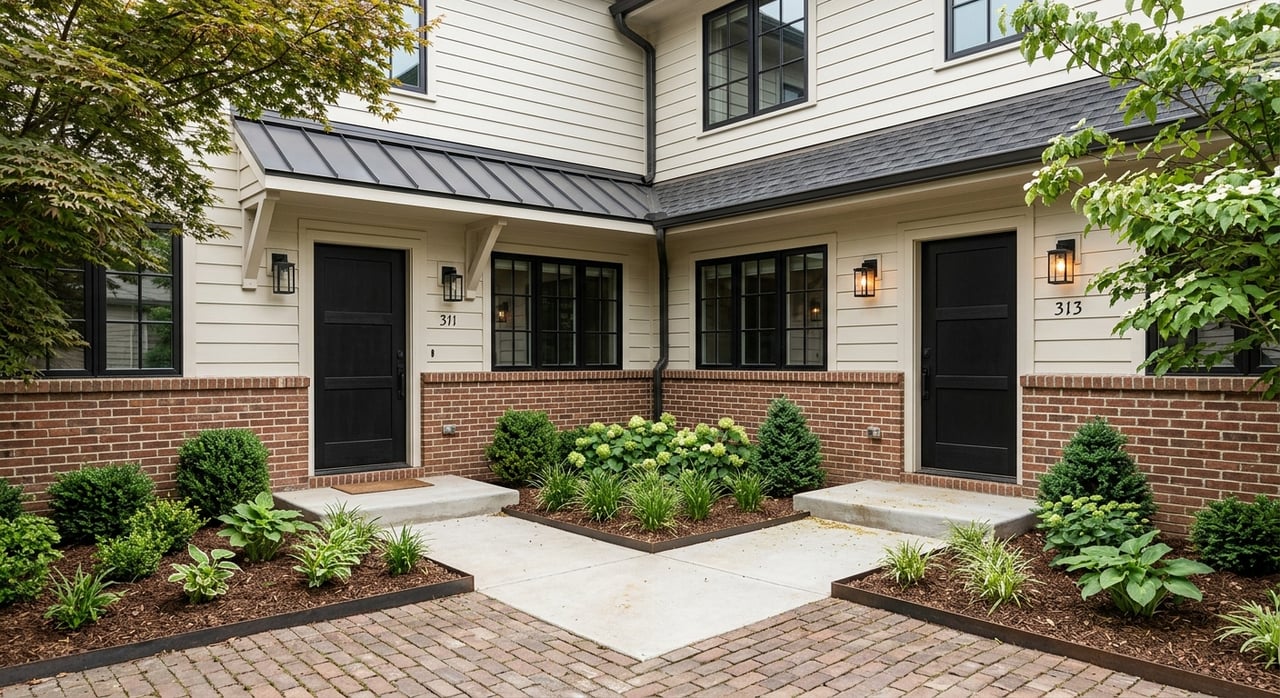
Planning A Low-Maintenance Move Within Franklin, TN
Franklin Real Estate Jessica Simpson, Associate Broker Moving Nashville Homes Team at Compass July 23, 2026
Franklin Real Estate Jessica Simpson, Associate Broker Moving Nashville Homes Team at Compass July 23, 2026
Moving across town can sound simple, but a low-maintenance move in Franklin often takes more planning than people expect. If you are trying to simplify your day-to-day life without giving up location, comfort, or long-term value, the details matter. This guide will help you think through timing, property type, HOA questions, and everyday convenience so you can make a smoother move within Franklin. Let’s dive in.
A low-maintenance move is not just about downsizing or picking a smaller home. It is about reducing the amount of time, money, and attention your home requires each week. For some buyers, that means less yard work. For others, it means easier travel, fewer repair responsibilities, or a home that feels simpler to manage.
In Franklin, that goal can look different depending on the property. A condo, townhome, or smaller-lot single-family home may all fit the plan, but the real question is what maintenance responsibilities stay with you and what responsibilities shift to an association. That boundary matters more than the label on the listing.
Franklin remains a high-value market, which means planning matters if you are buying and selling at the same time. Recent market snapshots show typical prices in the high-$800,000s to low-$900,000s, with Redfin reporting a median sale price of $849,492 and Zillow reporting a typical home value of $928,567. Those numbers can shape both your budget and your timing strategy.
Market pace can also feel different depending on the data point you use. Redfin reported 52 median days on market, while Zillow reported 16 median days to pending. In practical terms, that means some homes move quickly even while overall timelines may still feel longer when you include pricing strategy, negotiation, inspection, and closing.
If your move depends on selling your current Franklin home and buying the next one, timing tools can help reduce stress. Freddie Mac notes that a home sale contingency can make sense when you need proceeds from your current home to finance the next purchase. That can create breathing room when your move needs to happen in sequence rather than all at once.
Bridge financing is another tool some buyers consider. The CFPB defines bridge loans as temporary loans of 12 months or less that can help finance a new dwelling while you plan to sell your current one. The right approach depends on your finances, your risk tolerance, and how much flexibility you want during the move.
You should also leave space in the schedule for the closing process itself. The CFPB notes that lenders must provide the Closing Disclosure three business days before closing. When you are coordinating two closings, even a small delay can affect movers, utility setup, storage, and possession dates.
When you compare homes, ask a very simple question: who handles what? That is the core of a low-maintenance move. In Tennessee, condo and planned-development documents are what determine these responsibilities, not just the words condo, townhome, or single-family home.
Before you decide a property is easier to manage, look closely at responsibility for:
A smaller-lot single-family home may be easier to manage than a larger property with more exterior work. At the same time, a condo or townhome may still come with association obligations, monthly dues, and shared expenses that need close review. If your goal is a lock-and-leave lifestyle, the better question is whether the property helps you avoid surprise costs and constant oversight.
One of the easiest ways to avoid stress later is to request the association documents early. In Tennessee condominiums, the information package can include the declaration or master deed, bylaws, current rules, budget, reserve information, assessments, insurance, and pending suits. Those details can tell you much more than the monthly dues alone.
For planned unit developments, Tennessee law requires the seller to disclose that status before contract and provide or make available the restrictive covenants, homeowner bylaws, and master deed. If you are comparing a more traditional house with an HOA-maintained option, these documents belong on your shortlist checklist.
Ask for the actual paperwork before you get emotionally attached to a property. Rules about exterior changes, rentals, parking, pets, maintenance standards, and insurance can all affect whether the home truly fits your lifestyle. A low-maintenance move should feel simpler after closing, not more complicated.
Reserve funding is one of the most important details in a lower-maintenance property search. Tennessee enacted a reserve-study requirement in 2023 for qualifying associations, and the study must be updated at least every five years. The purpose is to estimate replacement costs for common elements and help reduce the need for special assessments.
For you as a buyer, that matters because deferred upkeep often becomes someone else’s bill later. Tennessee law also requires the board to make a copy of the reserve study available to owners electronically or on the community website. That gives you a clearer window into how the association is planning for future repairs.
A community with stable dues is not automatically a better fit if reserve planning is weak. In many cases, strong reserve information, clear insurance structure, and a realistic budget can be more important than choosing the lowest monthly payment.
A low-maintenance move should be judged by total lifestyle cost, not just by purchase price. Monthly dues are only part of the picture. Reserve funding, insurance structure, assessment history, and the division of maintenance duties all affect your real cost of ownership.
This is where careful comparison helps. Two homes may look similar online, but one may include major exterior responsibilities while the other shifts more of that work to the association. Looking at the budget and documents early can help you avoid expensive surprises after closing.
Everyday convenience is a big part of low-maintenance living, especially if you want to drive less or keep errands simple. Franklin continues to invest in pedestrian access through new sidewalks, multi-use paths, and ADA improvements. Recent completed projects include the Franklin Road streetscape connection between Downtown and the Factory, the New Highway 96 West multi-use trail, and a pedestrian bridge over the Harpeth River.
The city also reports annual investment in sidewalk gaps and ADA improvements. That is encouraging, but it also means walkability is still an active build-out rather than a finished network. If being able to walk to errands, trails, or gathering spots matters to you, it is smart to evaluate each property by its exact block and route options.
This is especially important when comparing downtown-adjacent condos, townhomes, and smaller-lot neighborhoods. One location may feel far more convenient than another, even if both are marketed the same way.
Low-maintenance living is not only about what happens inside your home. It is also about having easy access to places where you can spend your time without adding more work to your week. Franklin reports more than 900 acres of park land across 18 city parks, with amenities that include walking and fitness trails, playgrounds, picnic areas, sports fields, disc golf, tennis, basketball, and fishing.
If you are moving to simplify life, nearby parks and trails can add real value. They can give you room to walk, exercise, or enjoy outdoor time without needing a large private yard to maintain. That can be a meaningful trade if your goal is less upkeep and more flexibility.
If you are selling one home in Franklin while buying another, remember that Tennessee’s residential property disclosure law applies to one- to four-unit residential sales. The disclosure is not a warranty and does not replace an inspection, but it is still an important part of the process.
That matters for move planning because your sale has its own timeline, paperwork, and prep work. If you want a smoother transition, it helps to handle pricing, disclosures, staging priorities, and listing preparation early. A well-planned sale can create more options on the purchase side.
When you tour homes, it helps to move past the surface-level marketing language. A property may look easy to maintain in photos, but the better questions are practical ones tied to cost, responsibility, and daily life.
Consider asking:
These questions can help you choose a home that supports the lifestyle you actually want, not just one that sounds convenient in a listing description.
The best low-maintenance move in Franklin is usually the one that matches your finances, your daily routines, and your comfort level with shared ownership structures. For some people, that will be a condo near everyday conveniences. For others, it may be a smaller-lot house with a simpler exterior and less yard to manage.
Either way, a smoother move comes from clear comparisons, realistic timing, and solid due diligence. If you want help weighing your options, pricing your current home, or mapping out a buy-sell plan within Franklin, Jessica Simpson can help you move with more confidence and less stress.
Market updates, design trends, and lifestyle tips from your local luxury experts.


Murfreesboro Real Estate
What Murfreesboro Homeowners Should Know Before Choosing a Listing Price

Murfreesboro Real Estate
Home Prices, Inventory, Mortgage Rates & What Buyers and Sellers Need to Know


Franklin Real Estate
Practical tips for simplifying your move, reducing upkeep, and finding a Franklin home that better fits your current lifestyle.
Experience personalized service, market expertise, and unmatched results.