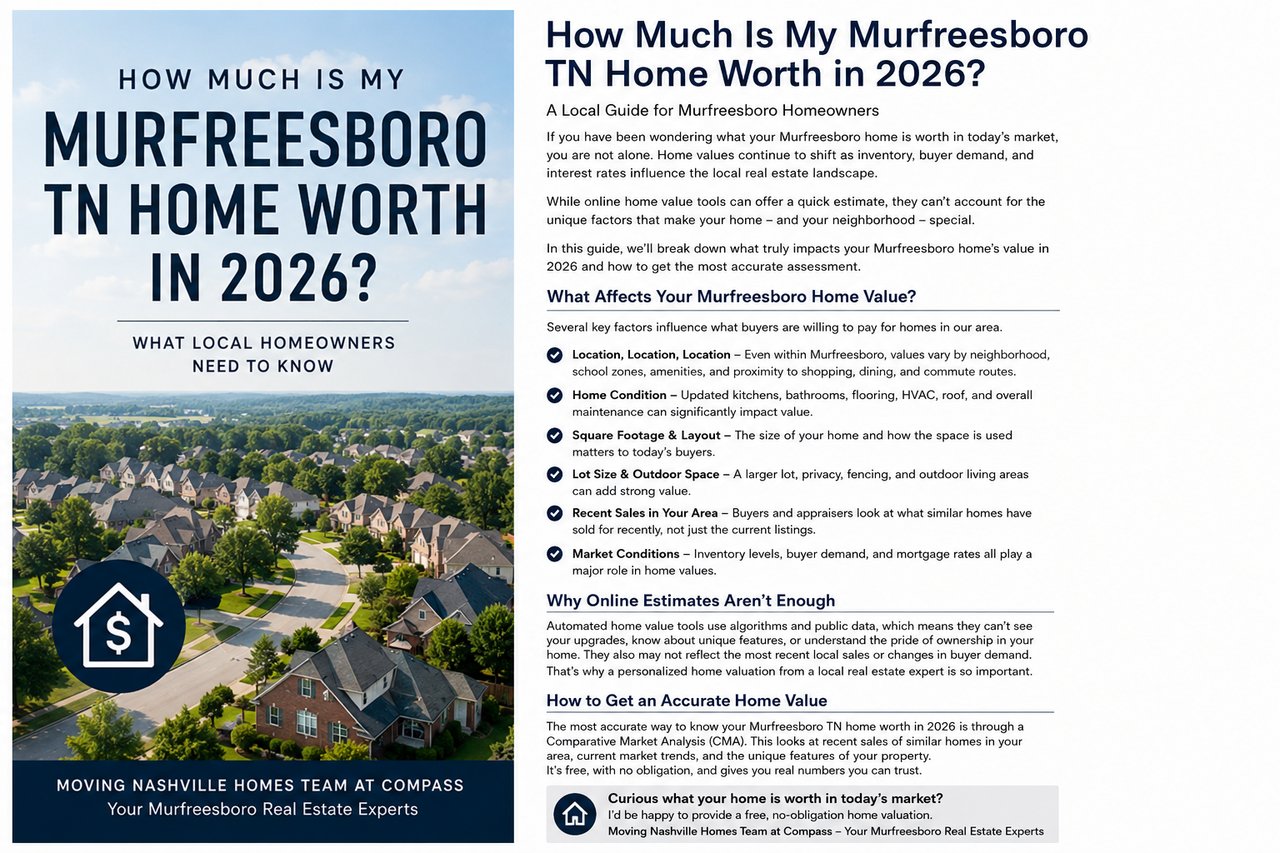
How Much Is My Murfreesboro TN Home Worth in 2026?
Murfreesboro Real Estate Jessica Simpson, Associate Broker Moving Nashville Homes Team at Compass August 9, 2026
Murfreesboro Real Estate Jessica Simpson, Associate Broker Moving Nashville Homes Team at Compass August 9, 2026
If you own a home in Murfreesboro, Tennessee, you may be wondering one very important question:
How much is my home actually worth in today’s market?
You can type your address into an online home-value calculator and receive an estimate within seconds. Those tools can be useful as a starting point, but determining what a buyer would realistically pay for your home requires a much closer look at the property, neighborhood, recent sales, current competition, and changing market conditions.
And in 2026, that analysis matters.
According to the latest complete June 2026 data from Realtor.com, the median sold price in Murfreesboro was approximately $425,000, while the median listing price was approximately $489,900. Murfreesboro also had 1,819 active listings and a median of 47 days on market.
Those numbers give us a snapshot of the overall Murfreesboro real estate market—but they do not tell us what your individual home is worth.
Murfreesboro is not one uniform housing market.
Even within the city, home values can vary significantly depending on location.
For example, Realtor.com reported the following median sold prices for June 2026:
That is a considerable difference within the same city.
And even ZIP-code data only takes us so far.
Two homes located less than a mile apart can have different values because of their subdivision, lot, age, condition, floor plan, upgrades, square footage, outdoor living space, garage configuration, and the other homes currently competing for the same buyer.
When I evaluate a property, I look at several factors together rather than relying on a single automated number.
Recent closed sales are one of the most important pieces of the puzzle.
These tell us what buyers have actually paid for similar homes—not simply what another homeowner hopes to receive.
The strongest comparable properties typically have similarities in:
The closer the comparable property is to your home in both characteristics and timing, the more useful it generally becomes.
Closed sales tell us where the market has been.
Active listings tell us what your home would be competing against today.
Suppose your home could reasonably be priced around $500,000.
If buyers searching between $475,000 and $525,000 have ten similar homes to choose from, we need to understand exactly how your property compares.
Why should they choose yours?
Does it have a better lot?
More upgrades?
A more desirable floor plan?
Better condition?
More square footage?
Or is one of the competing homes offering similar features at a lower price?
That competitive analysis becomes increasingly important when buyers have more inventory available.
Two houses with identical square footage are not necessarily worth the same amount.
Buyers notice differences.
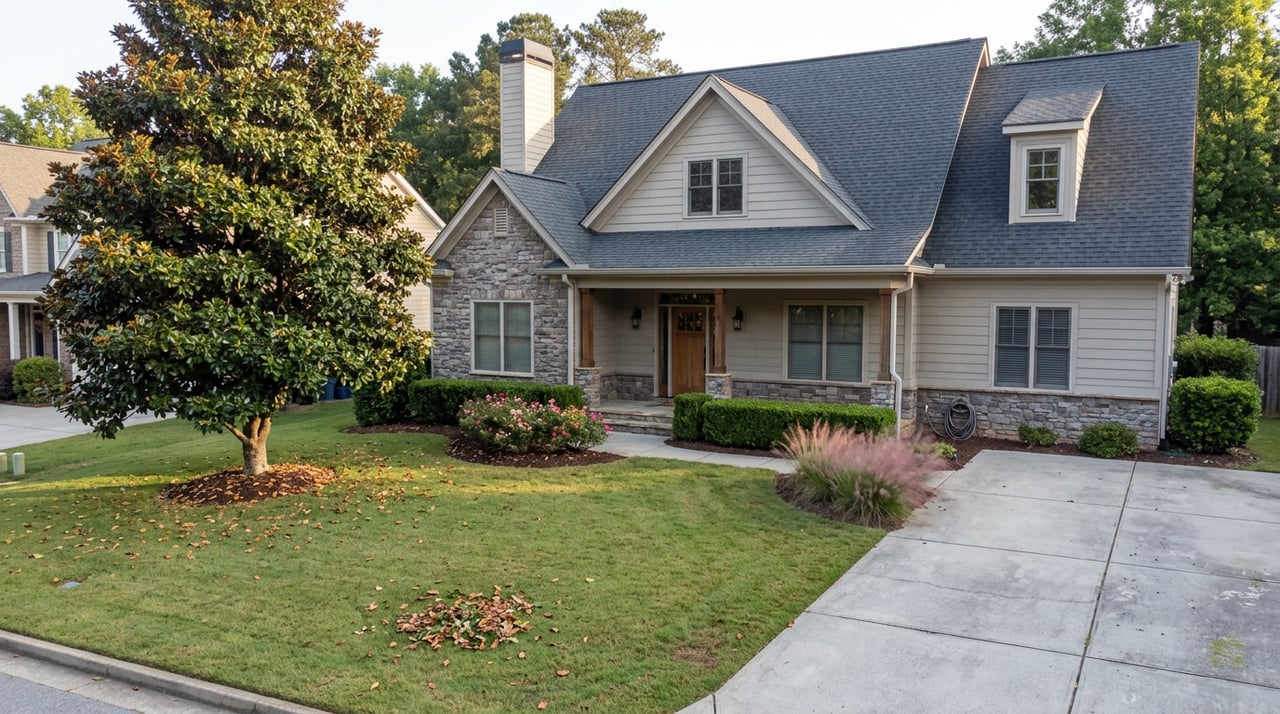
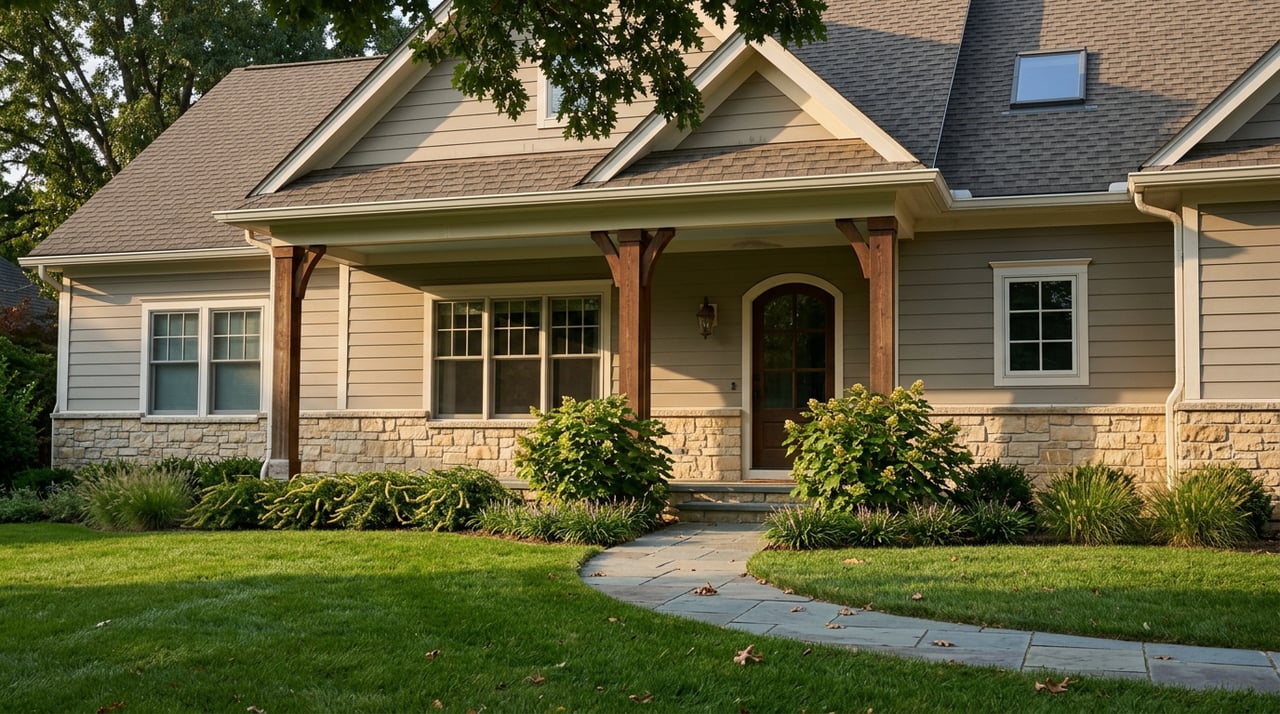
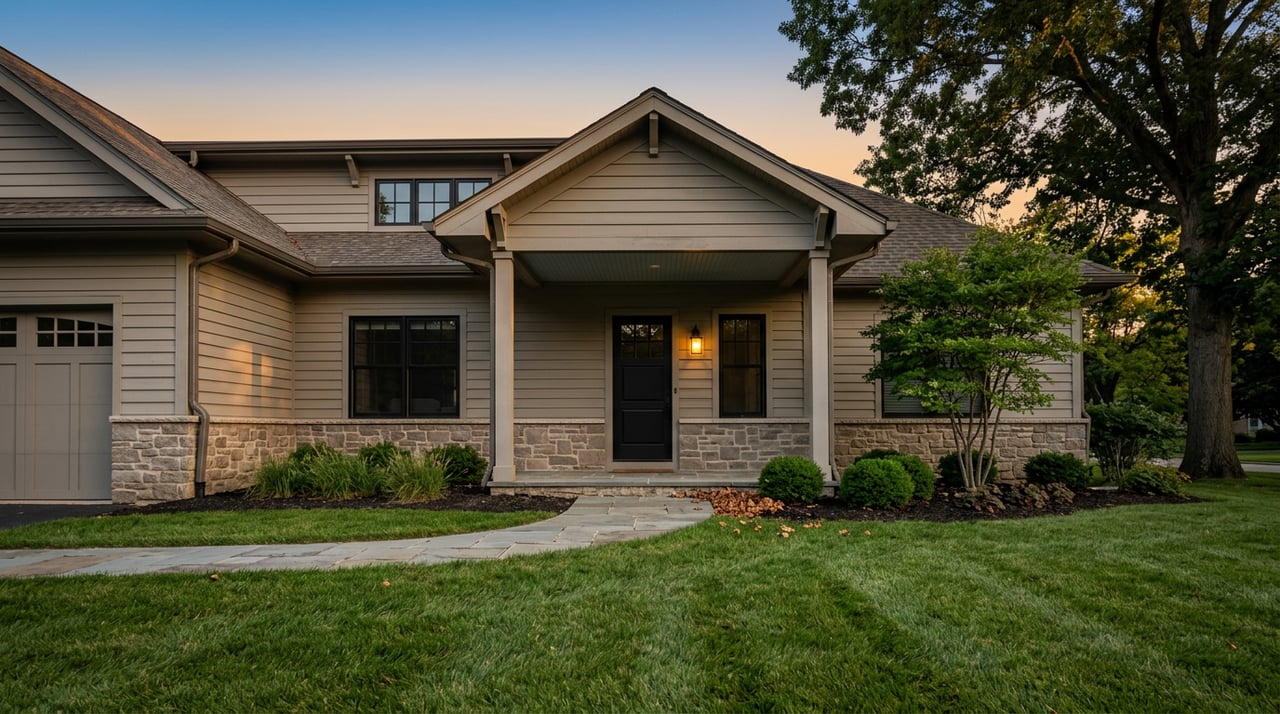
Updated kitchens and bathrooms, flooring, HVAC systems, roofing, outdoor living spaces, fencing, landscaping, paint, appliances, and overall maintenance can all affect how buyers perceive a property.
However, sellers should also understand that the amount spent on an improvement does not automatically equal the amount added to the home’s market value.
If you spent $40,000 remodeling a kitchen, that does not necessarily mean the home is now worth exactly $40,000 more.
The question is how much additional value buyers in your particular market are willing to place on that improvement.
Lot characteristics are another area automated estimates can easily miss.
A home backing to open space may compete differently than one backing directly to another house.
A premium corner lot, larger yard, privacy, usable acreage, outdoor entertaining area, fencing, or location within a neighborhood can all influence buyer demand.
Sometimes these differences are obvious when you stand at the property—but they may not be obvious to an automated valuation system.
Automated home valuations generally rely on public records, historical sales and algorithms.
What they cannot always fully evaluate is the actual condition and desirability of your home today.
An online system may know that your home has four bedrooms and 2,700 square feet.
It may not know that you:
That is why I consider automated valuations a starting point—not the final answer.
One of the biggest mistakes a homeowner can make is determining what they need to receive and using that number as the home's market value.
Your financial goals absolutely matter.
But the market does not determine value based on your mortgage payoff, the amount you invested in improvements, or what you need for your next purchase.
Buyers determine value by comparing your home with their other options.
That is why the goal is not simply to choose the highest possible asking price.
The goal is to identify the price that gives the property the strongest opportunity to attract qualified buyers while protecting the seller’s equity.
Some sellers think:
“Let’s start high. We can always reduce it later.”
You certainly can reduce the price.
But you cannot completely recreate the excitement of a brand-new listing.
The first days on the market are important because buyers who have already been searching in your price range are alerted when your home becomes available.
If those buyers immediately determine that the property is overpriced, they may move on to another home.
Later price reductions can help, but they may also leave buyers wondering why the property has remained on the market.
Correct pricing from the beginning can put the seller in a much stronger negotiating position.
The answer should be based on your home, not simply a citywide average.
A professional market analysis should consider:
That is how we move from an online estimate to a realistic pricing strategy.
If you are considering selling in 2026, knowing your home's realistic market position should be one of your first steps.
I’m Jessica Simpson, Associate Broker with the Moving Nashville Homes Team at Compass, serving Murfreesboro, Nashville, and communities throughout Middle Tennessee.
My approach to pricing goes beyond simply looking at a few nearby sales. I evaluate the property, competition, current market conditions, recent comparable sales, and the features that may make your home more—or less—valuable to today's buyers.
If you would like to know what your Murfreesboro home could realistically sell for in today’s market, request a personalized home-value analysis.
There is a major difference between asking:
“What does an online estimate say my home is worth?”
and
“What would buyers actually pay for my home today?”
The second question is the one that matters when you are preparing to sell.
Market statistics reflect the latest complete June 2026 data available at the time of publication. Market conditions vary by neighborhood, price range, property type and individual property. Source: Realtor.com Economic Research
Market updates, design trends, and lifestyle tips from your local luxury experts.

Murfreesboro Real Estate
What Murfreesboro Homeowners Should Know Before Choosing a Listing Price
Murfreesboro Real Estate
Home Prices, Inventory, Mortgage Rates & What Buyers and Sellers Need to Know
Experience personalized service, market expertise, and unmatched results.