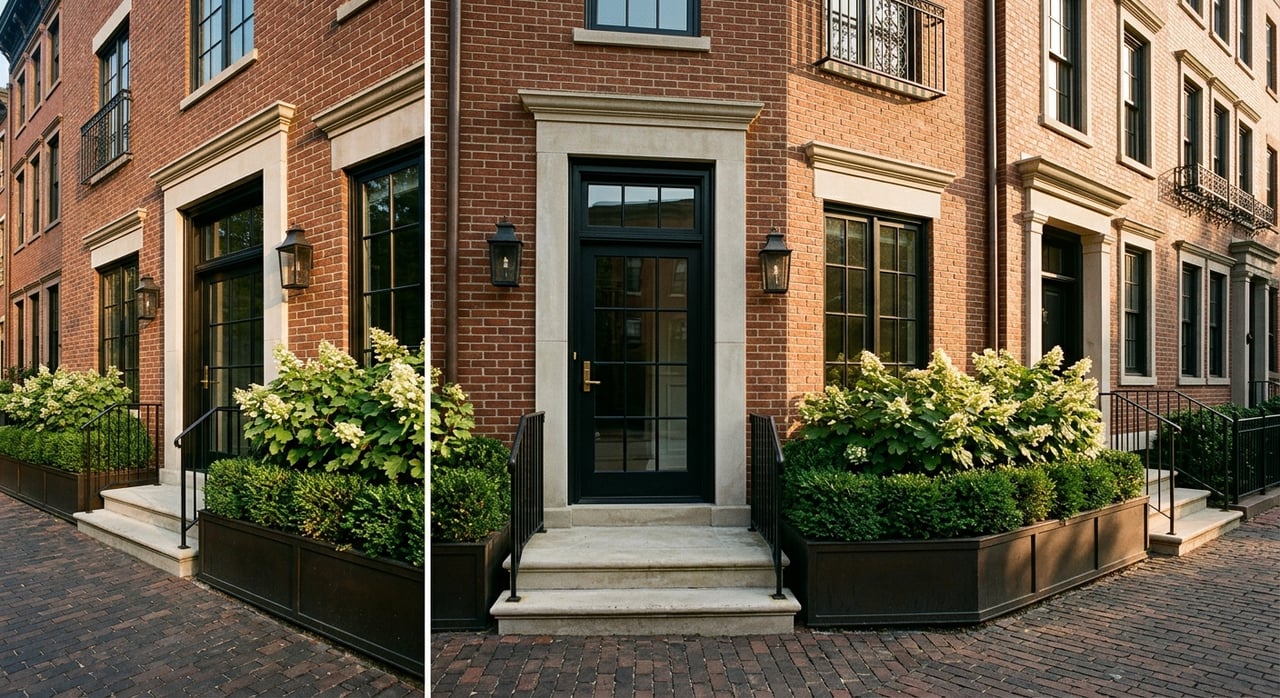
Franklin Micro-Market Guide: Historic Core To New Builds
Franklin Real Estate Jessica Simpson, Associate Broker Moving Nashville Homes Team at Compass July 16, 2026
Franklin Real Estate Jessica Simpson, Associate Broker Moving Nashville Homes Team at Compass July 16, 2026
Wondering where to focus your Franklin home search when one part of town offers historic streets and another offers newer amenity-rich neighborhoods? It is a common challenge because Franklin is not a one-note market. If you are trying to decide between charm, convenience, walkability, or newer construction, this guide will help you understand how the city’s micro-markets actually function day to day. Let’s dive in.
Franklin’s planning framework describes the city as a connected group of neighborhoods centered on historic downtown, with more intense growth directed toward the I-65 corridor. In practical terms, that means your experience can vary a lot depending on where you buy.
The biggest differences are not just about price. They often come down to density, lot layout, architectural style, walkability, access to shops and services, and how much oversight applies to exterior changes. That is why two homes in Franklin can offer very different lifestyles even if they are only a few miles apart.
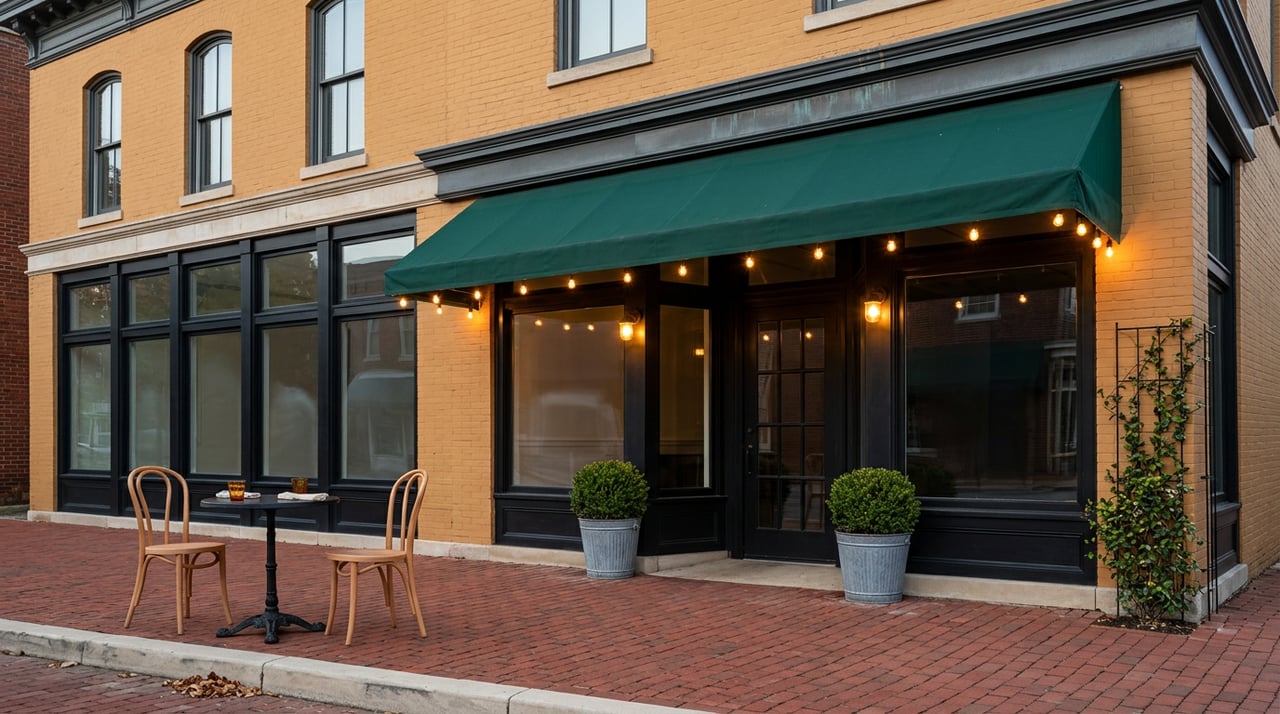
For many buyers, downtown Franklin is the most recognizable part of the city. Main Street is a 16-block historic district and a National Register-listed corridor with boutiques, galleries, home goods stores, and restaurants in buildings dating back as far as 1799.
Just off Main Street, The Factory at Franklin adds another layer to the area’s appeal. The former 1929 stove factory now serves as a shopping, dining, and entertainment destination, giving the historic core an active, mixed-use feel.
If you want a more compact, walkable routine, downtown Franklin stands out. You are closer to dining, events, and local businesses, and the street pattern supports shorter trips on foot.
That said, this part of Franklin is also more visitor-heavy and event-driven than other areas. For some buyers, that energy is a big draw. For others, it is something to weigh carefully before choosing the area.
Franklin recognizes five National Register historic districts and seven locally designated historic districts, including Downtown Franklin, Adams Street, Boyd Mill Avenue, Everbright Avenue, Franklin Road, Hincheyville, and Lewisburg Avenue. These areas follow a stronger preservation framework than other parts of the city.
Residential buildings in these districts are typically defined by features like pitched roofs, porches, and prominent front facades. New construction is expected to be compatible with nearby historic structures, and exterior changes may face more review.
The historic core often works well for buyers who value architectural character, walkability, and a stronger sense of place. It can also suit buyers who are comfortable with older homes, smaller lots, tighter site patterns, and more rules around additions, windows, facades, and design compatibility.
If you love the idea of living near Franklin’s best-known historic streets and want a more urban daily pattern, this area deserves a close look.
If downtown feels a little too compact but you still want convenience, Franklin’s established planned neighborhoods can offer a middle ground. These communities often balance suburban living with internal amenities, sidewalks, and easier daily routines.
Two of the clearest examples are Fieldstone Farms and McKay’s Mill. Both represent a different phase of Franklin’s growth than the historic core, and both appeal to buyers who want a neighborhood-centered lifestyle.
Fieldstone Farms is a planned, deed-restricted community on more than 800 acres with 2,137 homes. Franklin’s land-use plan notes that it was one of the city’s first planned unit developments and was built around a commercial node, a fire station, and connected sidewalks, trails, and pedestrian tunnels.
For buyers, that usually translates into established landscaping, a recognizable neighborhood identity, and a layout designed for more than just driving in and out. It offers a more suburban setting than downtown, but with some built-in convenience and connectivity.
McKay’s Mill offers a similar established-but-convenient feel. The community includes its own town centre with a grocery store, medical offices, restaurants, childcare, and other businesses, and it sits about two miles east of I-65 and Cool Springs Boulevard.
That location matters if your routine is more tied to the Cool Springs corridor than to downtown Franklin. It gives you a neighborhood-focused base while keeping you close to a major employment and shopping area.
Established neighborhoods like these often attract buyers who want mature landscaping, a more traditional suburban layout, and some daily convenience without choosing a newer master-planned development. They can feel more settled than a new construction corridor while still offering access to services and key roads.
This part of the market can be especially helpful to compare if you want a balance between character and predictability in your home search.
If your priority is newer construction, broader housing variety, or more built-in amenities, Franklin’s newer master-planned communities are worth attention. Much of the city’s active residential construction remains concentrated in these growth corridors rather than in the historic core.
Westhaven, Berry Farms, and Lockwood Glen each offer a different take on newer living in Franklin. The right fit depends on how much you value walkability, mixed-use design, and lifestyle amenities.
Westhaven is often seen as Franklin’s benchmark new-urbanist community. The city describes it as the city’s largest neighborhood by acreage and dwellings, with compact form, mixed land uses, distinctive architecture, pedestrian orientation, and transect-based design.
The housing mix includes single-family homes, townhomes, condominiums, and a 55+ component. Community features include a residents club, golf, pools, trails, tennis, pickleball, concerts, and a village center with restaurants and everyday services.
For buyers, Westhaven often stands out when lifestyle and social amenities are high on the list. It is a strong option if you want newer housing and a more built-in neighborhood experience.
Berry Farms is a mixed-use master-planned community on the south side of Franklin at the I-65, Peytonsville Road, and Goose Creek Bypass interchange. Its design centers on a walkable town center pattern, with homes planned within a five-minute walk of shops, restaurants, offices, parks, a pool, and bocce courts.
The community is planned to include more than 1.8 million square feet of retail and about 3 million square feet of office space. Housing shown on the official site includes single-family homes and townhomes.
If quick interstate access and a newer mixed-use setting matter to you, Berry Farms can be a strong candidate. It is especially relevant for buyers comparing south Franklin options with easy connections to Cool Springs, downtown Franklin, downtown Nashville, and the airport.
Lockwood Glen adds another newer option in south Franklin. Planning materials describe it as an approximately 220-acre master-planned community with 400 single-family lots and 240 multi-family units, and development filings reference single-family detached and townhome units.
Compared with Westhaven or Berry Farms, Lockwood Glen offers newer neighborhood design and multiple housing forms without the same level of built-in retail. That makes it useful to compare if your main goal is newer construction and product variety.
Franklin’s city plan notes that much of the community’s workforce lives outside the city, which contributes to commuter traffic. Because of that, your daily drive pattern should play a major role in how you narrow your search.
Buyers who want easier access to Cool Springs or major medical and employment nodes often focus on east Franklin and the I-65 corridor. Buyers who care more about restaurant access and historic walkability often gravitate toward downtown. Buyers looking for newer homes and larger amenity packages often compare Westhaven, Berry Farms, and Lockwood Glen.
This is not about one area being better than another. It is about choosing the part of Franklin that best matches how you actually live.
Franklin’s park system is another useful lens for comparing neighborhoods. The city reports more than 900 acres of park land across 18 parks.
Near the downtown core, you have Bicentennial Park, Pinkerton Park, and the Park at Harlinsdale Farm nearby. Cool Springs includes Aspen Grove Park, while Jim Warren Park offers a larger active-sports option farther from downtown.
Newer communities also build recreation into the neighborhood experience. Westhaven includes internal trails and parks, while Berry Farms includes pocket parks, trails, and gathering spaces.
Transit adds another layer for buyers who want some flexibility beyond driving. Franklin Transit’s Red Route serves western Franklin, including Fieldstone Farms and Independence Square, while the Blue Route connects downtown Franklin to Cool Springs and Williamson Medical Center. The transfer hub is at Main and Church downtown.
That means the strongest transit utility is generally closest to the downtown and Cool Springs axis. Even if you mostly drive, it can still be helpful to know where occasional car-light errands are more realistic.
If you are trying to simplify your search, it helps to think of Franklin in three broad buckets. Each one serves a different set of priorities.
Micro-market | Best known for | Common trade-offs |
|---|---|---|
Historic core | Character, walkability, historic setting, dining and events | Older homes, tighter lots, more preservation oversight |
Established neighborhoods | Mature landscaping, suburban feel, internal convenience | Less of the historic core feel, generally less new product |
Newer master-planned communities | Newer homes, amenities, mixed-use design, housing variety | Often farther from the historic core, lifestyle varies by community design |
This kind of comparison can make your search feel much more manageable. Once you know what matters most in your daily life, the right part of Franklin often becomes much clearer.
If you want help sorting through Franklin’s micro-markets, pricing differences, or new construction options, Jessica Simpson can help you compare neighborhoods with a local, data-driven approach.
Market updates, design trends, and lifestyle tips from your local luxury experts.
Murfreesboro Real Estate
What Murfreesboro Homeowners Should Know Before Choosing a Listing Price

Murfreesboro Real Estate
Home Prices, Inventory, Mortgage Rates & What Buyers and Sellers Need to Know
Franklin Real Estate
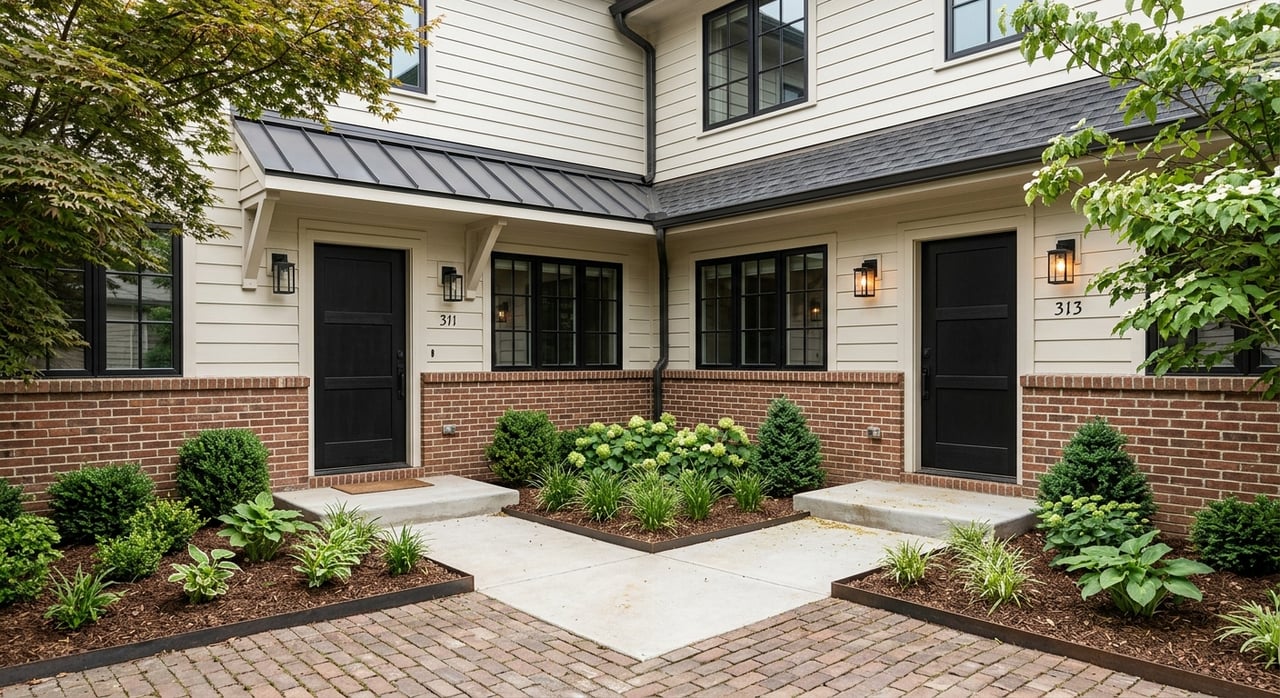
Practical tips for simplifying your move, reducing upkeep, and finding a Franklin home that better fits your current lifestyle.
Franklin Real Estate
Explore Franklin’s distinct housing markets, from the historic downtown core and established neighborhoods to master-planned communities and newer construction.
Experience personalized service, market expertise, and unmatched results.