Are you outgrowing your Franklin home and thinking about moving up? You are not alone. Many local homeowners are planning their next chapter, but the timing, financing, and prep can feel complex. In this guide, you will get Franklin-specific market context, clear numbers to plan your net proceeds, smart prep ideas, and a step-by-step timeline to help you buy your next home with confidence. Let’s dive in.
Franklin market snapshot
Franklin remains a higher-priced, moderately competitive market. Redfin reported a median sale price of about $875,000 in January 2026, with a median 93 days on market during that month. County-wide, Realtor.com’s December 2025 reporting showed Williamson County’s median near $1,100,000 and a median days on market around 78 days. Inside Franklin, pricing varies by neighborhood and property type, so use fresh, hyper-local comps to guide strategy.
Mortgage costs also shape demand. The 30-year fixed-rate mortgage averaged about 5.98% in the week of February 26, 2026, according to Freddie Mac’s weekly survey. If rates are steady or easing into spring, you may see a stronger buyer pool.
What this means for you: price with recent comps, plan for some negotiation room, and lean on strong presentation to shorten time on market.
Know your numbers first
Before you pick a timing plan, estimate your equity and net proceeds. A simple approach works well.
Net proceeds ≈ Market value − mortgage payoff(s) − selling costs
Selling costs typically include commissions, closing fees, and any pre-list prep you choose to invest in.
- Commission planning: A common benchmark is 5–6% of the sale price, though all compensation is negotiated up front and can vary. Many sellers also plan 1–3% for other closing costs and prep. See Bankrate’s overview of agent fees for context.
- Tennessee recordation tax: Tennessee collects a recordation tax of $0.37 per $100 of consideration or fair market value. Statute places responsibility on the grantee, but contracts can allocate costs either way. Get clarity in your purchase and sale agreement. Review the state code at Justia’s Tennessee statute page.
- Property tax context: Williamson County’s effective property tax rate is relatively low by national standards. See county comparisons from the Tax Foundation. Your actual closing proration will come from the local assessor’s data and the contract.
- Federal capital gains: Many primary-residence sellers can exclude up to $250,000 of gain if single or $500,000 if married filing jointly, if the 2-out-of-5-year ownership and use tests are met. Confirm details and reporting in IRS Publication 523 and speak with a tax advisor.
Net proceeds example
Here is a simple example to model your plan. Numbers are illustrations. Your home’s CMA will drive the actual figures.
- Example market value: $1,000,000
- Mortgage payoff: $400,000
- Commission budget at 5%: $50,000
- Other selling costs and pre-list prep at 2%: $20,000
Estimated net proceeds ≈ $1,000,000 − $400,000 − $70,000 = $530,000
If the contract allocates the Tennessee recordation tax to the buyer, it will not reduce your seller proceeds. If it allocates to you, include it in selling costs. Your agent will provide an itemized seller net sheet based on your contract terms.
High-impact prep that sells
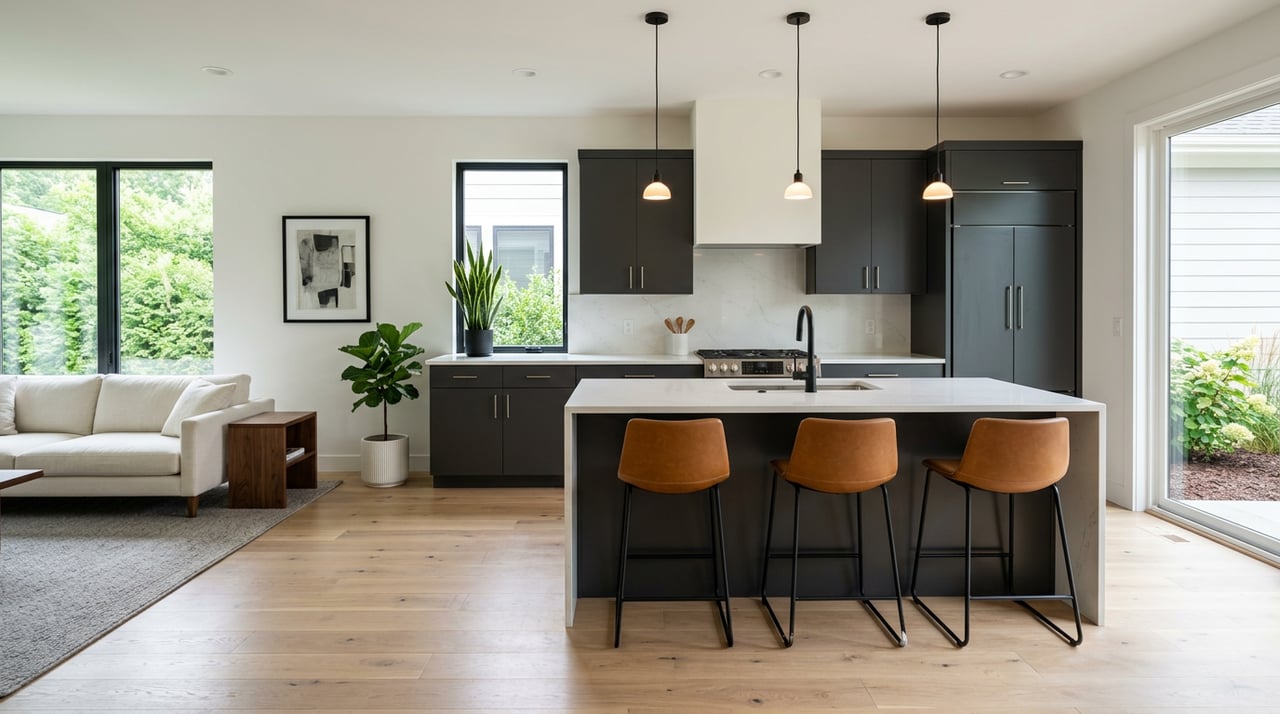
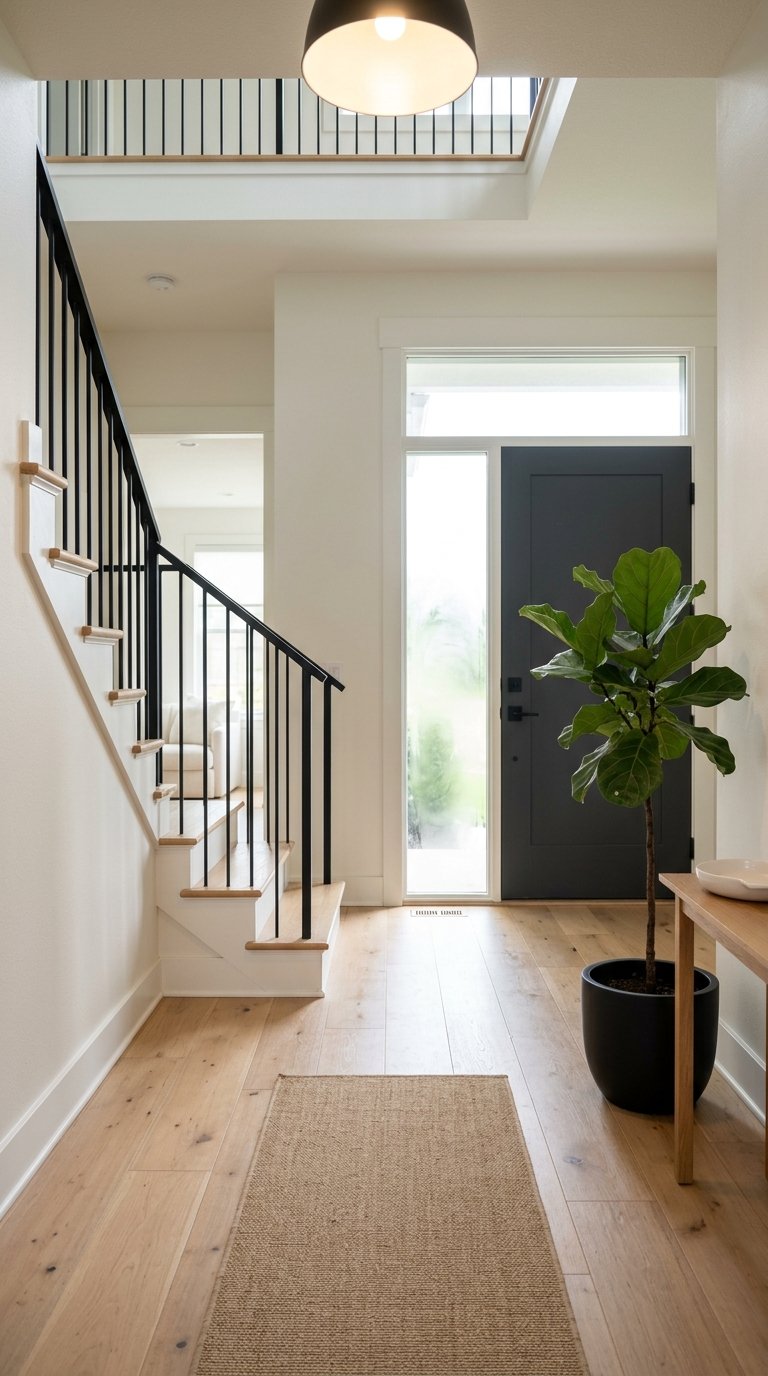
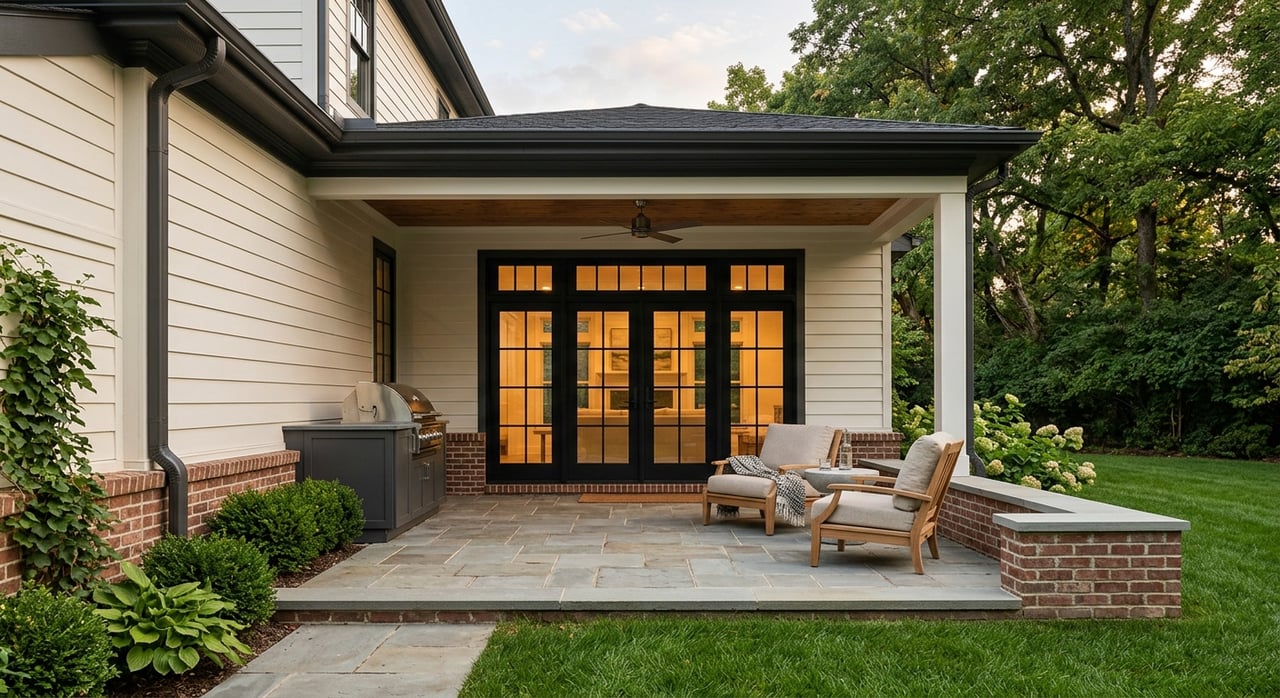
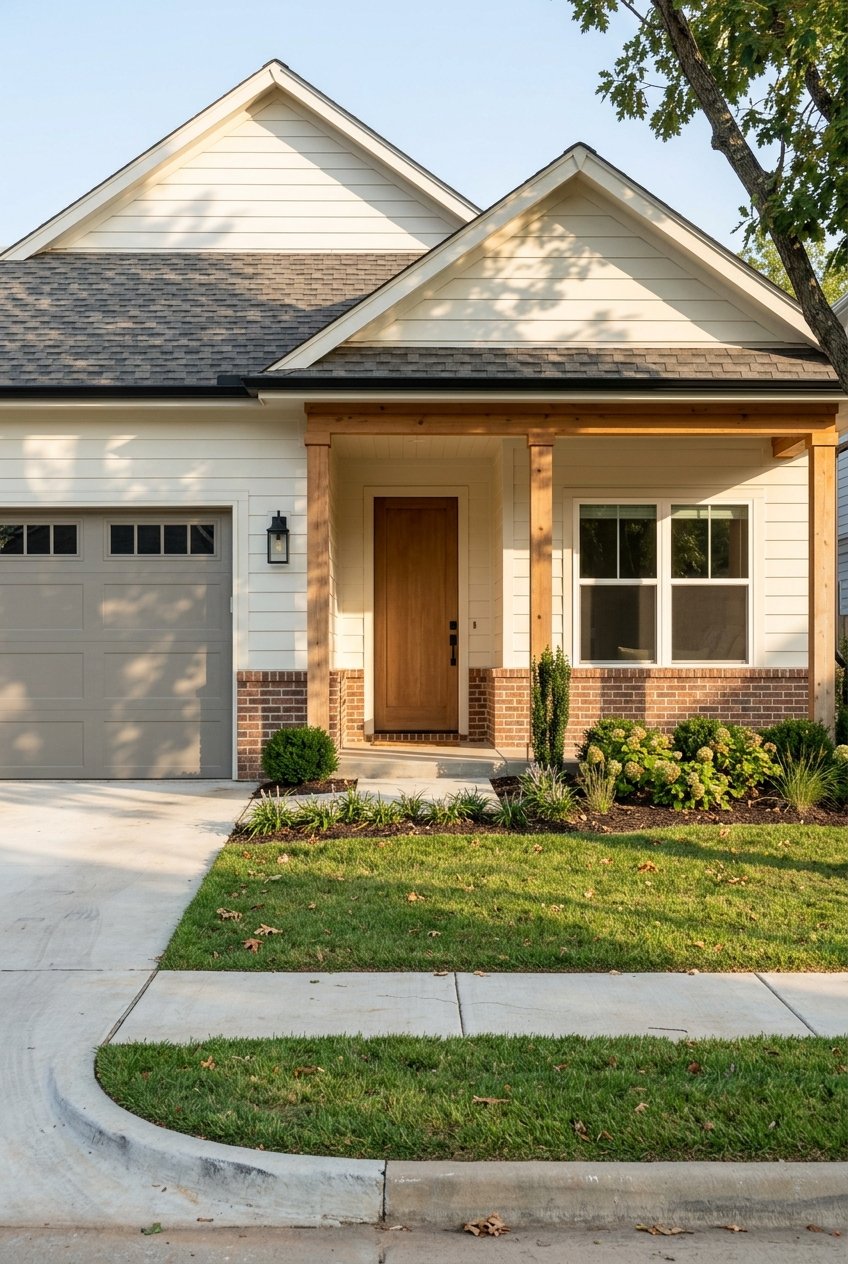
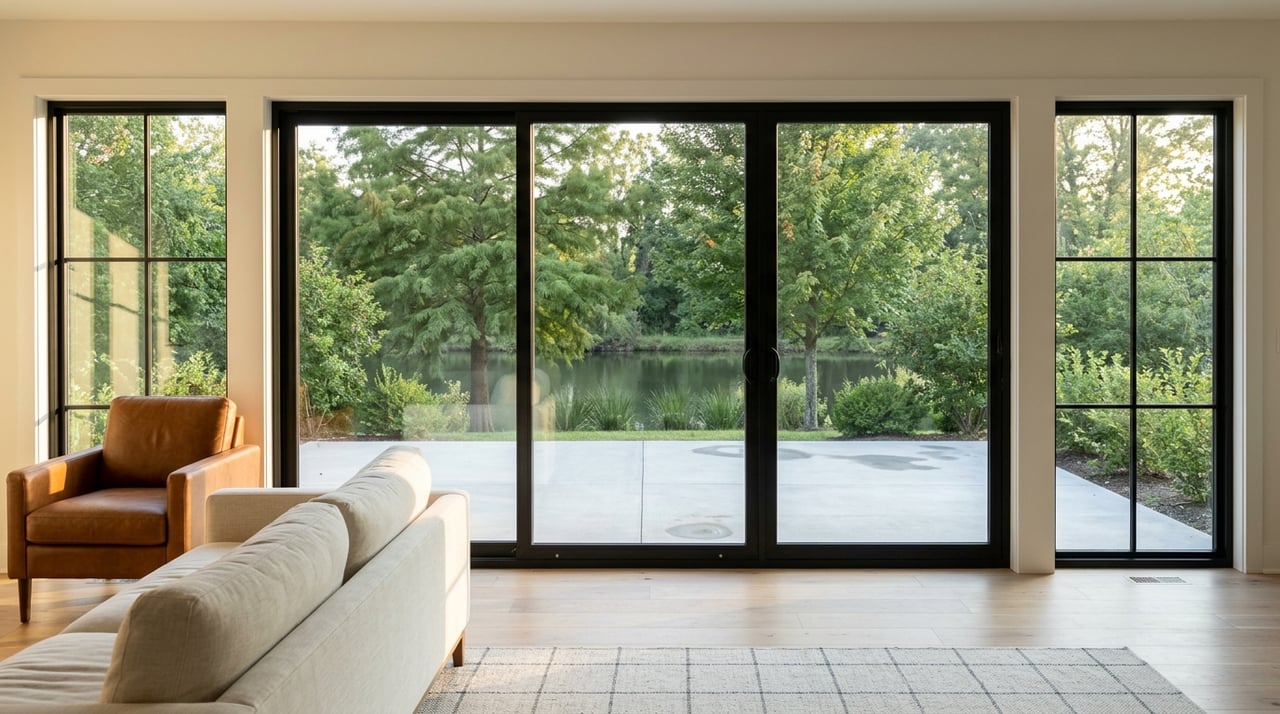
Good presentation helps you protect price and reduce time on market. The National Association of Realtors found that about 29% of seller agents saw a 1–10% increase in offers after staging, and about half reported staging reduced days on market. Buyers and their agents placed the highest importance on the living room, primary bedroom, and kitchen. Explore the findings in NAR’s 2025 staging report.
Priorities that deliver outsized impact:
- Declutter, deep clean, and neutralize paint where needed.
- Target the living room, primary suite, and kitchen for staging.
- Invest in professional photography, a floor plan, and a 3D or video tour. Your first showing happens online.
Prep tiers and budgets
- Low-touch polish, 1–3 weeks: declutter, clean, neutral paint, minor repairs, pro photos. Budget often in the low thousands.
- Mid-range refresh, 3–8 weeks: flooring updates or refinishing, hardware swaps, light kitchen and bath cosmetics, full staging of main areas. Budgets commonly range from about $5,000 to $40,000, depending on scope and size.
- High-tier improvements, 6–12+ weeks: larger remodels or luxury-level repositioning. Use when local comps support the investment. Otherwise, spring timing plus a mid-range refresh often wins on net.
Concierge-style help, paid at closing
If you prefer not to pay up front for prep, a concierge-style program can front staging and cosmetic costs and collect repayment at closing. Compass Concierge is an example. Terms vary by market and property, and local availability applies. Confirm specifics with a local Compass-affiliated agent and check Compass’s office coverage.
Tip: Model the likely price lift with your agent before you commit. If a $15,000 refresh is expected to support a $30,000 better outcome or faster sale that avoids a price reduction, it can be a smart move.
Choose your move-up path
There is no single right sequence. Pick the one that matches your cash position, risk comfort, and the segment you want to buy into.
1) Sell first
- Pros: You know your net proceeds and can write a strong, clean offer with cash in hand. No risk of carrying two mortgages.
- Cons: You may need temporary housing and a second move. Some buyers will negotiate for a rent-back to let you stay briefly after closing.
2) Buy first
- Pros: You avoid a double move and can shop at your pace.
- Cons: You need a financing bridge and may carry two mortgages until your sale closes.
Common tools for buying first:
- HELOC or home equity loan: Tap existing equity for the next down payment. Learn the differences from the Consumer Financial Protection Bureau.
- Traditional bridge loan: A short-term loan that uses your current home’s equity to fund the next purchase. Costs are usually higher than a standard mortgage, but timelines are faster.
- Trade-in or buy-before-you-sell programs: Some providers advance funds or purchase on your behalf so you can make a non-contingent offer. Fees and terms vary. Compare the cost against the value of speed and convenience.
3) Contingent offer or concurrent closing
- Pros: Lets you use your sale proceeds for the purchase with less overlap.
- Cons: Contingent offers are often weaker in competitive segments. To smooth timing, negotiate rent-back terms so you have time to move after your sale closes.
Timing your Franklin sale
Seasonally, late spring often delivers more buyers and a modest price premium. See national patterns in Bankrate’s analysis of best times to sell. In Franklin, January 2026 data showed longer days on market than the peak seller months of 2021–22, so presentation and pricing precision matter.
If you are targeting spring, plan backwards. Allow time for prep, staging, media, and pre-market buzz. If you need to list off-peak, use strong pricing anchored to recent comps, highlight unique features clearly, and consider small pre-list improvements to stand out.
Rates are part of timing too. When rates are steady or easing, more buyers can qualify. Keep an eye on Freddie Mac’s weekly rate survey as you pick a launch week.
Step-by-step checklist
Use this working timeline, then tailor it with your agent based on your goals and property.
- Weeks −8 to −6: Financial snapshot
- Request a comparative market analysis and a detailed seller net sheet.
- Order mortgage payoff statements from your servicer.
- Talk with a lender about pre-approval for the next home and whether you might use a HELOC, bridge loan, or another option.
- Weeks −8 to −6: Choose your sequence
- Decide whether to sell first, buy first, or pursue a concurrent close based on cash, risk tolerance, and target inventory.
- Weeks −6 to −4: Prep scope and bids
- Knock out low-cost fixes and light updates. If you plan to use a concierge-style program, apply and line up vendors.
- Weeks −4 to −2: Staging and media
- Stage priority rooms. Schedule pro photography, a floor plan, and a 3D or video tour. Set your MLS go-live date to align with your target window.
- Day 0: Launch and monitor
- Go live. Track online views and showing feedback. In the first two weeks, evaluate if activity matches expectations and adjust if needed.
- Weeks 1 to 6: Offers and negotiation
- Compare offers by net proceeds, contingencies, and closing flexibility. If you are buying too, try to align dates or negotiate rent-back.
- Weeks 4 to 8: Inspections, appraisal, and loan milestones
- Manage repair negotiations and lender timelines to keep both transactions in sync. Confirm payoff and any concierge repayment details for closing.
- Post-closing: Move and settle
- If you secured rent-back, confirm dates and movers early. Wrap final accounting at closing, including any program repayments.
Ready to plan your next chapter?
When you have clear numbers, polished presentation, and a smart sequence, moving up becomes manageable. If you want appraisal-informed pricing, concierge-backed prep, and hands-on coordination across both sides of your move, connect with Jessica Simpson for a free home valuation and a tailored Franklin plan.
FAQs
How is the Franklin market for move-up sellers right now?
- As of January 2026, Franklin’s median sale price was about $875,000 with a longer time on market than the peak pandemic years. Plan for thoughtful pricing, strong prep, and targeted marketing.
How do I estimate my net proceeds before I list?
- Start with expected market value from a CMA, subtract mortgage payoff(s), then subtract selling costs such as commissions, closing fees, and any prep. Your agent can prepare an itemized seller net sheet.
What seller costs should I budget for in Tennessee?
- Many sellers plan 5–6% for commission plus 1–3% for other costs and prep. Tennessee’s recordation tax is $0.37 per $100 of value, and contracts determine who pays it at closing.
Which home improvements are worth it before selling?
- Focus on high-impact, lower-cost steps like decluttering, neutral paint, minor repairs, and staging priority rooms. Professional photos and a floor plan are must-haves and help reduce days on market.
Can I buy my next home before I sell this one?
- Yes. You can explore a HELOC, a traditional bridge loan, or a trade-in style program to write a non-contingent offer. Compare total costs against the benefit of avoiding a double move.
When is the best time to list in Franklin?
- Late spring often brings the most buyers. If you can, prep for an April or May launch. If you must list off-peak, lean on pricing precision and standout presentation to attract the right buyers.